

Manuka Honey Drops: How to Use Them for Sore Throats
Oct 09, 2026
Scanning shelf after shelf of manuka honey drops, each one boasting a different UMF or MGO number, can leave you more confused than confident about which jar is actually worth your money. You want real antibacterial potency, not clever marketing. This guide cuts through the ratings jargon and shows you exactly how to vet purity, choose a strength suited to your goals, and use raw manuka honey correctly for lasting benefit.
Before You Start: What You Need to Know
What "manuka honey drops" actually refers to
Search that phrase online and you'll get two very different products. Some brands sell hardened lozenges — basically cough drops with a bit of manuka honey mixed into sugar syrup. Others mean something simpler: a literal drop, or spoonful, of raw manuka honey taken daily as a dose. That distinction matters more than it sounds like it should.
This guide takes the second meaning. You're learning how to use pure raw manuka honey itself as your daily "drop," not a candy. That's worth settling before you buy. The term gets used loosely in marketing, and you don't want to end up with a sugar lozenge when you wanted raw honey with intact enzymes. If you want the deeper breakdown of how manuka differs from other raw varieties in flavor, origin, and strength, it helps to first review how manuka compares to standard raw honey before deciding which fits your goals.
No lozenge format is covered here. None exists in this discussion. Spoon, jar, honey — that's the format.
Who this guide helps
Before you grab a spoon, a few things need to be in place. You'll want a jar of lab-tested raw manuka honey, ideally with an MGO rating printed on the label and a certificate you can actually check. You'll need a clean, dry spoon each time — moisture introduced into the jar shortens its shelf life. And you'll need realistic expectations: MGO numbers reflect antibacterial potential, not a cure for anything. Treat high ratings as a quality marker, not a miracle claim.
This walkthrough is built for a few specific readers. Health-conscious shoppers who want pesticide-free, traceable honey rather than a supermarket blend. Parents weighing natural options, including raw honeycomb, for seasonal discomfort in older kids. And naturopathy-minded researchers who want to understand dosing and sourcing before committing to a routine. If that's you, keep reading.
Step 1: Understand MGO Ratings Before You Buy manuka honey drops
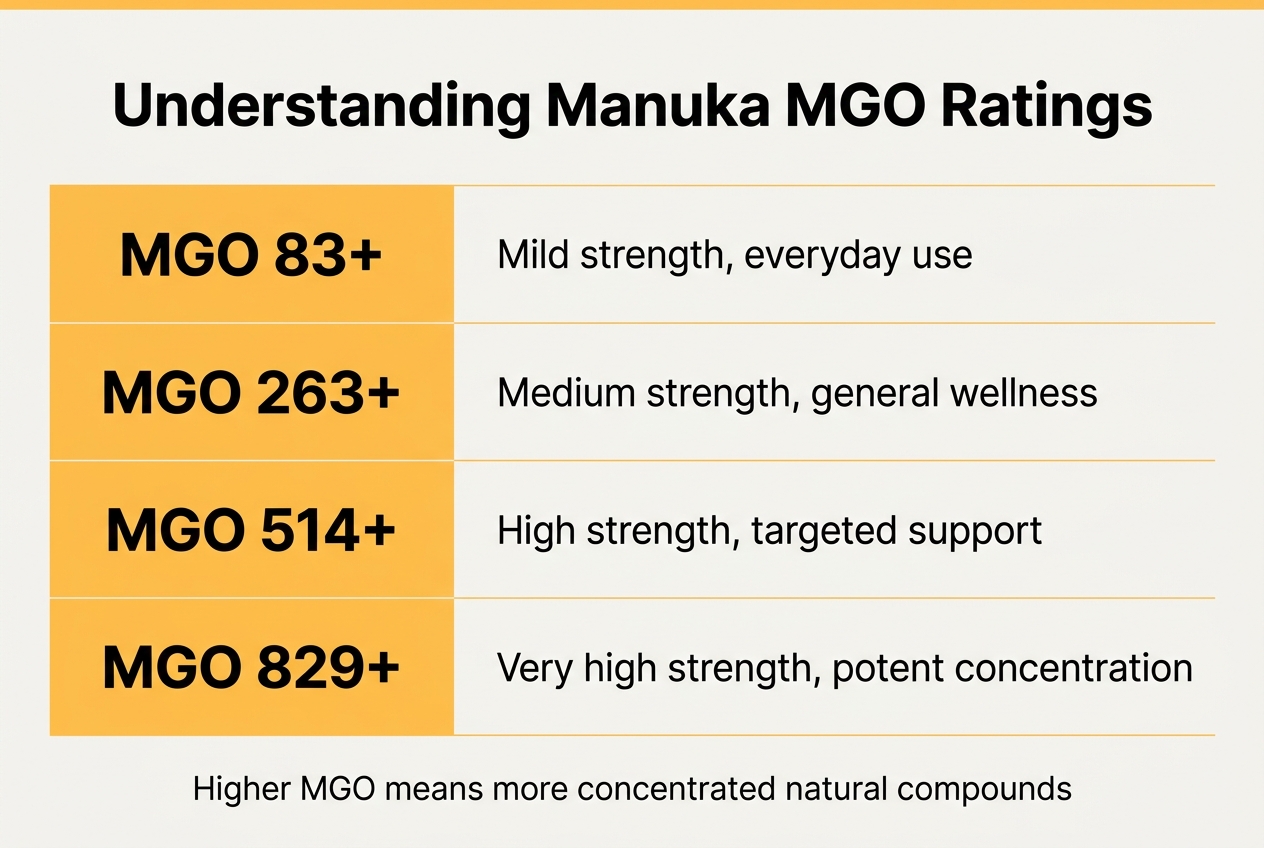
MGO stands for methylglyoxal, the naturally occurring compound that gives manuka its unusual reputation. It forms as the honey matures, converting from a precursor in manuka nectar called dihydroxyacetone. The higher the MGO number, the more concentrated that compound is. That's it. No mystery, no marketing fluff — just a measurable number that tells you how potent a given jar actually is.
Reading MGO numbers correctly
Not every MGO tier serves the same purpose. Lower numbers suit daily use, like stirring honey into tea. Higher numbers get reserved for short, targeted stretches. Here's a rough breakdown of how shoppers typically match rating to use case.
| MGO Rating | Typical Use | Common Routine |
|---|---|---|
| 50–100+ | General sweetener, mild wellness support | Daily, by the spoonful |
| 100–250+ | Everyday immune maintenance | Daily, small dose |
| 263+ | Noticeable potency for regular wellness routines | Daily or several times a week |
| 400–500+ | Targeted, short-term immune support | Cycled, not constant |
| 514+ | High-potency, occasional or seasonal use | Smaller doses, used sparingly |
An MGO 263+ jar works well as a steady daily habit. An MGO 514+ jar is the one you reach for when you want something stronger — maybe during cold season — used in smaller amounts rather than by the spoonful every morning. Neither is "better." They just solve different problems.
Here's the catch: a label can claim any number it wants. Some brands print impressive figures with no paperwork behind them. Always look for an independent lab certificate confirming the MGO level, batch by batch, not just once at launch. If you're also curious why some bee products taste far stronger than others, royal jelly is not for the taste explains a similar potency-versus-palatability tradeoff. No certificate, no proof. Skip it.
Step 2: Check the Label for Purity and Traceability
Once you know your MGO number, the label has more to prove. A lot of manuka on store shelves has been heated or filtered for a prettier jar, and that process quietly kills off the enzymes and pollen fragments that made you buy raw honey in the first place. Before you check out, run the seller through a quick interrogation. It only takes a minute, and it'll save you from a jar that's manuka in name only.
Questions to ask any manuka seller
Treat these as a checklist, not a formality. A seller who can't answer all five clearly probably isn't one you should trust with your grocery money.
- Is the honey raw, unheated, and unfiltered, so enzymes and natural pollen are still intact rather than stripped out during processing?
- Does the company publish independent lab certificates covering purity, potency, and the absence of glyphosate or other synthetic residues?
- Can you trace the honey back to a specific hive location and harvest date, rather than a vague "imported from New Zealand" label?
- How often is testing repeated — a single certificate from years ago tells you nothing about the jar on your counter today?
- Is the MGO or potency rating verified by a third party, or just printed on the label by the seller itself?
- Will the company explain its sourcing and testing process over the phone, or does it dodge specifics when asked directly?
Some sellers answer all of this well; plenty don't. If you want a general reference point before comparing brands, a raw unfiltered honey buying guide is a useful place to learn what unprocessed honey should actually look and taste like. As a benchmark, consider a model where every batch is independently lab-tested twice a year for purity, 10-HDA levels, and glyphosate, with full traceability from hive location and harvest date to the certificate itself. That's the level of transparency worth measuring any manuka seller against — not just trusting a label because it says "raw."
Step 3: Decide Between Raw Honey, Comb, or Powder Formats
Liquid honey vs. honeycomb vs. powder
Not every bee-derived product does the same job, even when the wellness goal is similar. Liquid manuka honey is the most familiar format: pour it, stir it, swallow it straight off a spoon. Raw honeycomb gives you the same honey still locked in its wax cells, meant for chewing rather than pouring. Freeze-dried royal jelly powder is a different animal entirely — a concentrated supplement, not a sweetener, dosed by the scoop. One quick note: none of this includes manuka lozenges or cough drops. If that's the format you're after, read labels carefully, since many blend in sugar, gelatin, or diluted honey solids.
| Format | Best for | Taste intensity | Shelf life |
|---|---|---|---|
| Liquid manuka honey | Daily spoon dose, tea, drizzling | Strong, earthy | 2+ years unopened |
| Raw honeycomb | Chewable snacking, slow-release texture | Strong, waxy finish | 12-18 months |
| Royal jelly powder | Smoothies, cold foods, masking taste | Mild once blended | 18-24 months, refrigerated |
Matching format to your routine
If you hate the tacky, lingering texture of liquid honey, honeycomb gives you something to chew instead of swallow — a slower, almost snack-like experience. If royal jelly's sharp, sour bite is the dealbreaker, the freeze-dried powder dissolves into a smoothie or oat bowl with barely a trace of its usual punch. Convenience usually settles the debate faster than preference does. Desk workers lean toward liquid honey because it's mess-free; parents packing lunches often reach for comb. For deeper context on why raw honey behaves and performs differently batch to batch, research into the composition and biological activity of honey explains the enzyme and compound variation worth knowing before you commit to one format. Honestly, there's no wrong pick here — just a mismatched one. Buy the format you'll actually use, not the one that sounds most impressive on a label.
Step 4: Take Your First Dose Correctly
Best times of day to take it
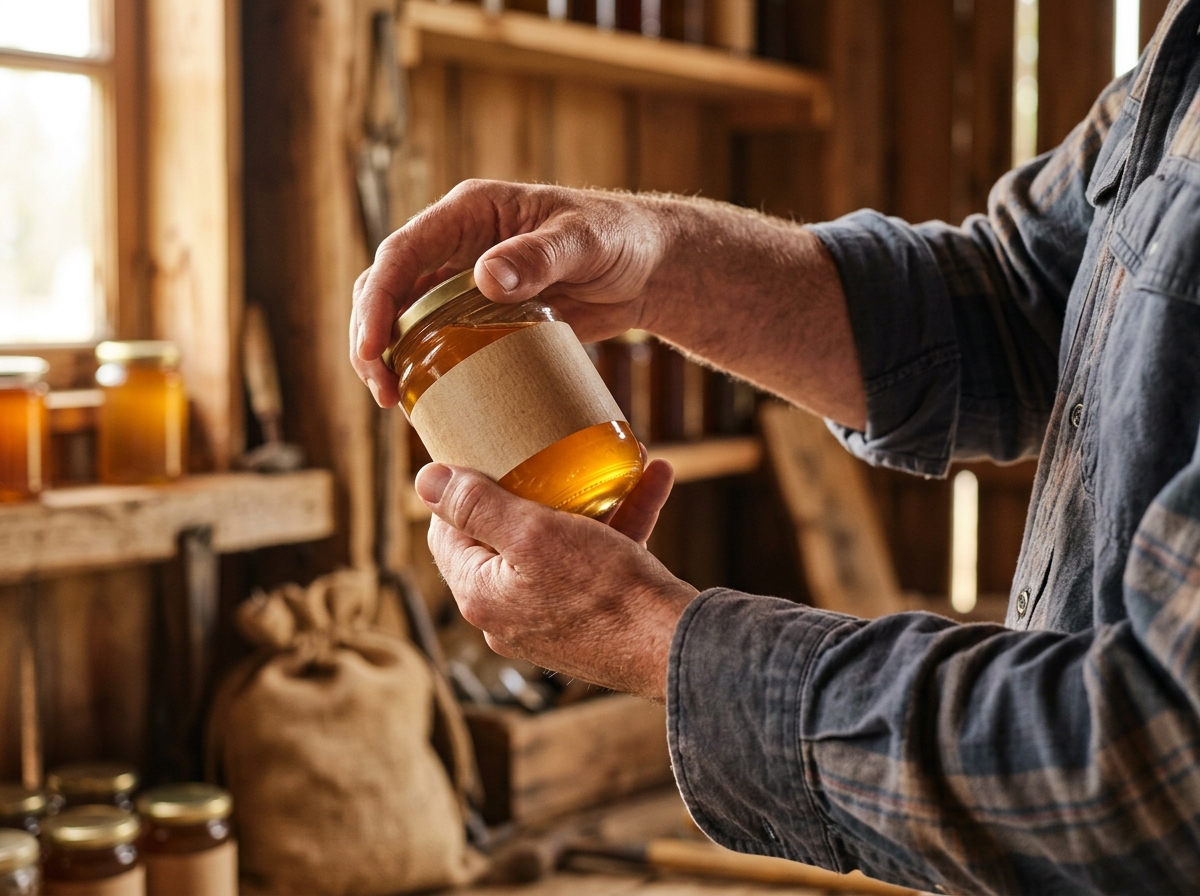
Keep your first few doses simple. One teaspoon of raw manuka honey, taken straight off the spoon, is the standard starting point. If you'd rather not eat it plain, stir it into a cup of warm water or warm (not hot) tea. Either method works. What matters more is the next part: temperature.
Here's the thing about heat: anything above roughly 104°F starts to break down the natural enzymes and delicate compounds that make raw honey worth buying in the first place. Boiling water will do real damage. In fact, how the antibacterial activity of manuka honey is rated depends heavily on keeping those compounds intact, so pouring it into a steaming mug undoes some of the point. Let your tea cool until it's comfortable to sip, not scalding, before adding the honey.
Timing depends on your goal. Taken first thing in the morning, on an empty stomach, it supports general wellness and gives your body a clean window to absorb it before food competes for attention. Taken before bed, it's better known for soothing a scratchy throat overnight. Some people do both — morning for maintenance, evening when a cold's creeping in. There's no rule against it. Consistency matters more than the exact hour, so pick a time you'll actually stick with.
One firm exception: children under 12 months should never be given raw honey in any form, manuka included. Infant botulism risk is real and well documented, and no amount of honey quality changes that. This guide, and the dosing it describes, is for adults and children over one year old only.
Step 5: Use It for Specific Wellness Goals
Once you've got the right jar and a dose you can stick with, the next question is simple: what are you actually using it for? Matching the format to the goal matters more than most people think. A teaspoon taken at random won't do much. A teaspoon taken with intention, at the right time, paired with the right product, does a lot more.
Building a simple daily routine
Think of manuka honey as the base layer, not the whole routine. Research into bioactive compounds in manuka and regional honey varieties helps explain why it pairs well with other bee products rather than standing alone. A few ways to build that routine out:
- For daily immune maintenance, take a small teaspoon of manuka honey on its own, then follow it with a few drops of an alcohol-free propolis spray or a pinch of organic propolis powder stirred into water.
- For occasional throat discomfort, let a spoonful dissolve slowly in a cup of warm water and sip it rather than gulping it down, giving it time to coat your throat on the way.
- For energy and skin-support goals, pair your manuka honey dose with fresh raw royal jelly, taken a few minutes apart so you're not blending two strong flavors at once.
- For a more concentrated option on busy mornings, swap liquid royal jelly for the freeze-dried powder stirred into a smoothie, which skips the spoon-by-spoon routine entirely.
- For consistency, keep your bee products together near your coffee or tea station — out of sight usually means forgotten by week two.
A note for parents exploring allergy remedies
Here's the part that trips people up. Manuka honey comes from manuka bushes in Australia and New Zealand, so it carries almost none of your local pollen. If local allergy exposure is the goal, raw unfiltered honey and honeycomb sourced near home are the better fit, not an imported varietal. This idea of staying rooted to origin isn't unique to honey, either — it shows up in how family legacy and tradition get passed down in all sorts of small, generational businesses. Keep manuka honey for throat and immune support, and let local raw honey do the allergy work instead.
Step 6: Store and Maintain Your Honey for Maximum Potency
Where you keep your honey matters almost as much as which jar you bought. Store it in a cool, dark cupboard, away from the stove, a sunny windowsill, or anything that runs warm. Heat and light break down the delicate enzymes and antibacterial compounds that make raw honey worth buying in the first place. A pantry shelf or closet works fine — room temperature is ideal, and you don't need refrigeration.
Always keep the lid tightly sealed. Honey is naturally hygroscopic, meaning it pulls moisture from the air if given the chance, and excess water content can invite fermentation over time. A loose or cracked lid is one of the easiest ways to shorten a good jar's life. Wipe the rim clean before closing it, since sticky residue can keep the seal from closing fully.
Signs your honey is still fresh
Don't panic if your jar turns cloudy or solid — that's crystallization, and it's completely normal for raw, unfiltered honey. It happens because natural glucose separates from water and forms crystals, especially in varieties with higher glucose content. Crystallization is not spoilage; it's actually a reassuring sign the honey hasn't been over-processed. Set the jar in a warm water bath, below 110°F, and stir occasionally until it loosens back up.
Avoid the microwave — high heat destroys the very enzymes you're trying to preserve. Fresh, well-stored raw honey should smell floral or earthy, taste clean, and show no sour or yeasty notes. Research summarized in a look at manuka honey's properties from beehive to bedside helps explain why unheated honey holds onto these qualities so much longer than processed versions. Properly stored, raw honey can stay good for two years or more. Some jars found in ancient tombs were still edible after millennia. That's the kind of shelf life you're working with here.
Common Mistakes to Avoid
Label red flags
Some of these mistakes happen before the jar even opens. A good-looking label can still hide a bad product, so slow down and read past the marketing copy.
- Buying honey stamped with a bold MGO number but no independent lab certificate available to verify it, which means you're trusting a sticker instead of actual data.
- Assuming every "manuka drop" sold online is raw honey, when plenty are processed sugar lozenges with a trace of manuka extract added for flavor.
- Skipping the harvest date and hive origin entirely, two details that honest sellers always disclose and vague ones always bury.
- Trusting a jar labeled "pure" with no mention of testing for glyphosate or synthetic additives, which tells you nothing about what's actually inside.
Usage errors that waste potency
Even genuine raw honey gets ruined by how it's used. Heat is the enemy: microwaving honey or stirring it into boiling tea breaks down the enzymes and nutrients you paid extra for. Let hot drinks cool to warm before adding honey. Giving raw honey to infants under one year is a hard no, full stop — the botulism spore risk is real and well documented by pediatricians. And don't expect miracles by day three. Raw honey and royal jelly work through consistent daily use, not a single spoonful before a big event. Treat it like a habit, not a cure.
Wrap-Up: Building Your Ongoing Routine
Next steps for a sustainable supply
Let's run the sequence one more time. Verify the MGO rating and ask for current lab results. Check traceability back to the hive. Pick a format that fits your life, whether that's raw honey, comb, or powder. Dose it correctly, match it to your actual goal, and store it away from heat and light. Six steps. None of them hard, but skip one and you're guessing.
Once you've got that routine locked in, think about variety. Pairing raw Manuka with Orange Blossom or Jarrah Honey makes a solid DIY sampler — light and floral next to something darker and caramel-toned. It's a practical way to taste-test what you actually prefer before committing to bulk. If your order crosses $99, shipping's free, so it's worth bundling jars together rather than ordering one at a time.
If you're a retailer or a naturopathic practitioner stocking clients, bulk and wholesale ordering on royal jelly and honey is the more sensible route than repeat single-jar purchases. It keeps pricing consistent and supply steady.
Questions about ratings, dosing, or bulk pricing? Call 832-464-6639 or email support@gohoney.net. A quick conversation usually sorts out more than another hour of label-reading.
Manuka honey drops are really just a convenient way to get that distinctive honey into your day, and many people find the same quality simply sitting raw in a jar works just as well on a spoon, in warm water, or stirred into tea. If you're drawn to Manuka for its reputation, Go Honey carries it in its traditional raw form, letting you decide how you want to use it rather than committing to a single format. From here, the simplest next step is just noticing how it fits into your own routine and adjusting from there.


