

Is Honey Really Raw? How to Spot Really Raw Honey
Sep 08, 2026
Grocery store shelves are full of "raw" honey that's been quietly heated, filtered, and stripped of the very enzymes and pollen you're paying for. You want the truth about what's actually in your jar, not clever marketing. That's where really raw honey comes in — unheated, unfiltered, and verifiably pure, straight from the comb to you. This guide shows you exactly how to spot it, source it, and put it to work.
What Is Really Raw Honey?
Raw vs. Regular Store-Bought Honey
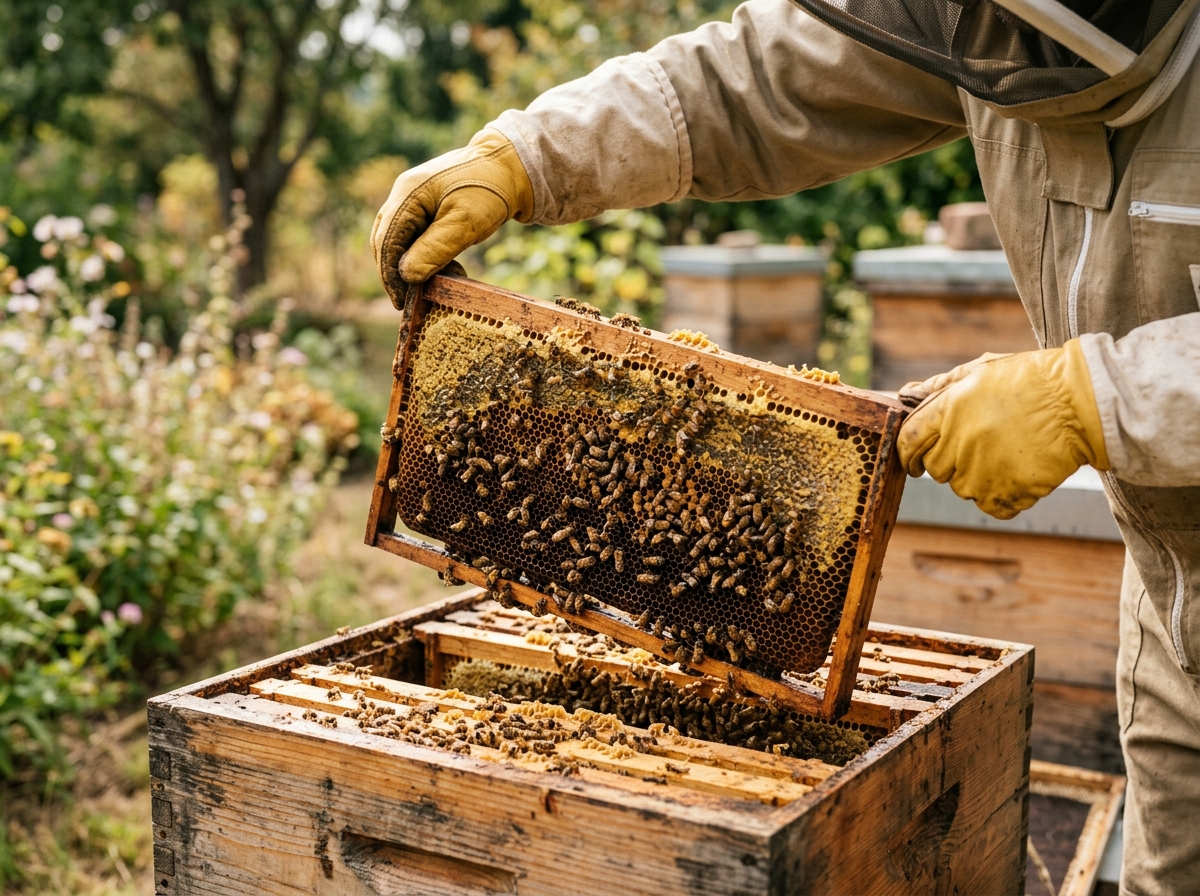
Raw honey is honey exactly as the bees made it. Unheated, unpasteurized, unfiltered, straight out of the hive. No cooking, no fine straining, no shortcuts. Regular store-bought honey usually goes through both, and that changes its texture, its flavor, and a good chunk of its nutrition. That's the whole distinction in a nutshell. But here's the catch: the word "raw" isn't legally regulated in the US, so any bottler can slap it on a label with zero consequences.
That's exactly why sourcing matters more than marketing copy. A company that knows its hives, its harvest dates, and its lab results can back up the claim. One that doesn't is just hoping you won't ask questions. If you want to know what separates the real thing from a clever label job, a raw unfiltered honey buying guide lays out the specifics worth checking before you buy.
Don't confuse "raw" with "natural" or "pure," either. Those terms get used loosely, often on jars that are still heat-processed. A bottle can say "100% natural" and still have been pasteurized at high temperatures. It's a labeling loophole, plain and simple.
Why Heat and Filtering Strip Nutrients
Commercial honey is typically heated to around 150-160°F and pushed through fine filters. This makes it pour smoother, look clearer, and sit longer on shelves without crystallizing. The tradeoff? Heat destroys or weakens natural enzymes like invertase and diastase. Fine filtering strips out pollen, propolis fragments, and micro particles of wax that come bundled with the honey naturally. You end up with something sweeter-looking but nutritionally hollowed out.
Truly raw honey keeps all of that intact. You'll often see fine specks, a cloudy tint, or faster crystallization — signs of a living food, not a flaw. Pollen content is also what makes local raw honey valuable to allergy sufferers, since it's tied to the plants growing nearby. Strip the pollen, and you've stripped the point. For a plain-spoken breakdown of how processing changes honey before it reaches shelves, this short video on the truth about buying raw honey is a useful watch. Heavily processed honey isn't dangerous. It's just not doing much for you beyond being sweet.
How to Tell If Honey Is Actually Raw
Forget the marketing copy. Your own kitchen counter can tell you more than any label. Real raw honey behaves differently over time, looks different in the jar, and comes with paperwork that actually means something. Here's what to check before you trust a bottle.
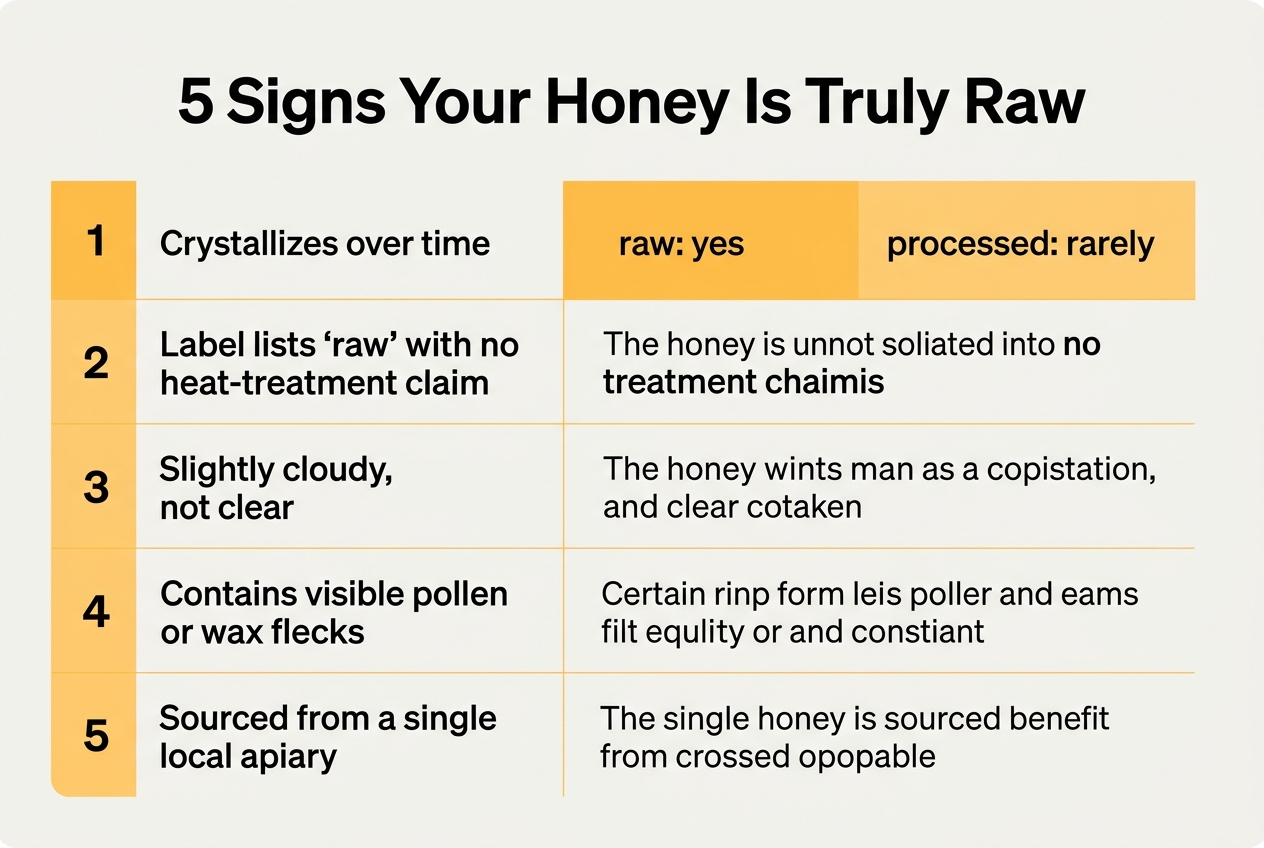
- Crystallization is a good sign, not a flaw — raw honey thickens and turns grainy within weeks or months because it still contains natural pollen and wax particles that seed crystal formation, something heavily processed honey resists doing.
- Cloudiness beats clarity — a hazy, slightly opaque jar with visible pollen or wax flecks means it hasn't been filtered to death; crystal-clear honey usually went through fine filtration and high heat to get that way.
- Lab certificates are the strongest proof you can ask for — a report showing glyphosate screening, moisture content, and confirmation of no added syrups tells you far more than any word on the front label.
- Traceability matters more than adjectives — a specific hive location and harvest date printed on the batch beats vague phrases like "natural" or "farm fresh" every time.
- Repeat testing shows ongoing accountability — third-party lab verification every six months, rather than a one-time test years ago, signals a producer that's actually watching quality season after season.
- Taste and texture shift by season and flower source — raw honey's flavor changes batch to batch, while mass-market honey tastes suspiciously identical year-round.
A quick trick worth trying at home: dissolve a spoonful in water. Raw honey tends to clump and settle rather than dissolve instantly, thanks to leftover pollen and wax. It's not scientific, but it's a useful gut check. If you're also exploring other hive products, understanding the best way to consume bee pollen follows similar logic — minimally processed always wins over convenience-driven refinement. And if you want to compare what a genuinely unfiltered jar looks like against something sold at scale, browsing a listing such as Really Raw Honey Honey (8 oz) Delivery or Pickup Near Me gives you a quick visual reference point. None of this requires expertise, just a bit of skepticism. Honestly, most fake-raw honey gets caught by a simple squint at the jar.
Raw Honey Varietals and What Makes Each Unique
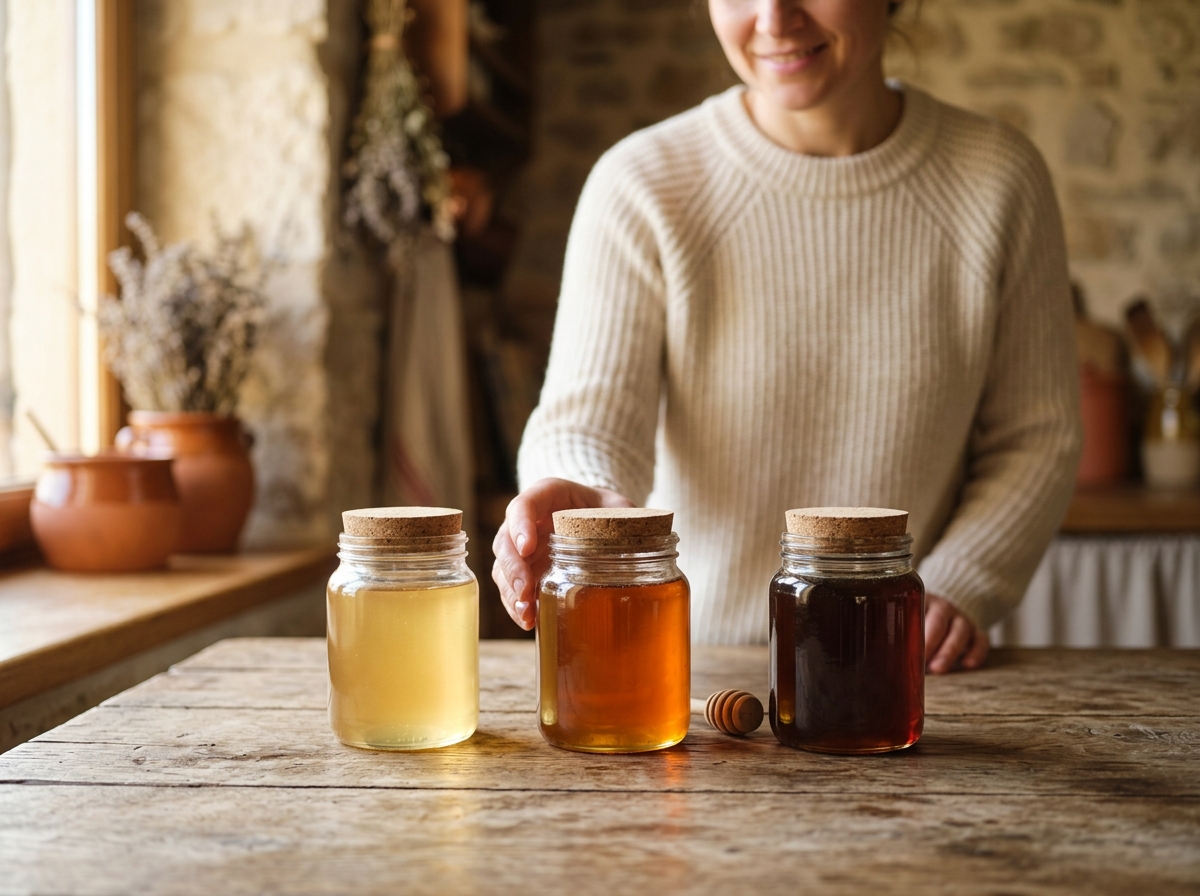
Not all raw honey tastes or acts the same. The flower source changes everything, from color and thickness to how the honey behaves in your body. Some varietals are mild enough for daily tea, while others are reserved almost like a supplement. Knowing the differences helps you match the jar to the job instead of grabbing whatever's on the shelf.
Comparing Flavor, Color, and Best Uses
Orange Blossom is the gateway honey for most people. It's light, floral, and mild enough to stir into anything without overpowering it. If you want the full backstory on how citrus groves shape its taste, the premium 100 pure orange blossom honey guide breaks down harvest timing and flavor notes in detail. Buckwheat sits at the other end of the spectrum: dark, almost molasses-like, and packed with minerals and antioxidants. Jarrah, a rare Australian varietal, brings notable antibacterial compounds to the table. Manuka is the heavyweight, rated by MGO potency for wound care and gut support. Raw honeycomb is the rawest option of all — you're chewing wax alongside honey, pollen, and propolis in one bite.
| Varietal | Color | Flavor Profile | Best Use |
|---|---|---|---|
| Orange Blossom | Light amber | Floral, mild, slightly citrusy | Everyday use, tea, baking |
| Buckwheat | Dark brown | Earthy, malty, robust | Immune and antioxidant support |
| Jarrah | Deep amber-red | Rich, slightly bitter | Antibacterial, general wellness |
| Manuka | Dark amber | Earthy, medicinal | Wound care, gut health (MGO 263+/514+) |
| Raw Honeycomb | Golden to amber | Sweet, waxy texture | Least processed, chew-and-swallow use |
Here's the blunt truth: a fancier label doesn't always mean a better fit. Buckwheat's mineral punch is wasted on someone who just wants a mild tea sweetener, and Manuka is overkill for casual snacking. Match the varietal to the purpose, not the price tag. Comb, meanwhile, is worth trying at least once — it's messier, sure, but it's honey in its most unaltered, original form.
Health Benefits Backed by Tradition and Research
Allergy Relief: Myth, Method, and What to Expect
Let's start with the claim every parent has heard: eating local raw honey builds tolerance to seasonal pollen. The theory holds that trace pollen in unfiltered honey works like a gentle exposure therapy, similar to allergy shots but far slower. Evidence is mixed, and no honey should replace prescribed allergy medication. Still, many families report fewer sniffles after a spoonful daily through pollen season, and there's little downside to trying it alongside other remedies.
Beyond allergies, raw honey carries antioxidants and live enzymes stripped out during commercial pasteurization. Those enzymes, like diastase and glucose oxidase, support digestion and may ease gut discomfort when taken plain. Compare it to how some people use apple cider vinegar for gut support — different mechanism, similar wellness logic. If you're researching sourcing standards, the Home - Really Raw Honey site offers a useful reference point for what unprocessed actually means on a label.
Topically, raw honey has a real track record as a wound soother. Its low moisture and mild acidity create an environment hostile to bacteria, which is why some clinics use medical-grade honey dressings for minor burns and cuts.
Beyond Honey: Royal Jelly and Propolis for Deeper Support
Royal jelly's value centers on 10-HDA, a fatty acid unique to the substance. Products testing above 2% 10-HDA are considered potent; freeze-dried powders concentrated to 6% pack even more into a smaller dose. Naturopaths often point to 10-HDA for energy, immune modulation, and hormonal balance, particularly for women navigating cycle-related fatigue. It won't work overnight. Give it a few weeks.
Propolis, the resin bees use to seal hives, brings its own antimicrobial compounds — flavonoids and phenolic acids that research links to immune defense. An alcohol-free spray or a pinch of propolis powder stirred into tea offers a practical, family-friendly way to use it daily.
Raw Honey vs. Manuka vs. Royal Jelly vs. Propolis: Which One Do You Need?
Four bee products, four different jobs. It's tempting to grab whatever's on sale, but that's not really the point here. Each one has a marker that tells you how strong it is, and a format that fits a specific habit. If you're stocking a shelf or just stocking your kitchen, this is the cheat sheet.
| Product | Best For | Potency Marker | Best Format |
|---|---|---|---|
| Raw honey (wildflower, orange blossom, buckwheat) | Daily nutrition, cooking, tea, toast | Pollen count, enzyme activity | Jar |
| Manuka honey | Occasional targeted gut or wound support | MGO rating (e.g., 263+, 514+) | Jar |
| Fresh royal jelly | Energy, immune, and hormonal support | 10-HDA percentage (2.1%–2.3%+) | Refrigerated jar, bulk tub |
| Royal jelly powder | Shelf-stable dosing, smoothies, travel | 10-HDA at 6%+ (concentrated) | Powder jar |
| Bee propolis | Skincare DIY vs. daily immune upkeep | Flavonoid content | Powder (skincare) or alcohol-free spray (daily use) |
Raw honey is your everyday staple. Think oatmeal, marinades, a spoonful in tea when you're run down. It's not meant to be a targeted remedy, it's food. Manuka steps in when you want something with a documented antibacterial punch, verified by that MGO number rather than vague marketing claims.
Royal jelly is a different animal entirely, closer to a supplement than a sweetener. Fresh jelly, kept cold, suits people chasing a daily energy or immune ritual, while the freeze-dried powder solves the taste problem and travels well in a gym bag. Bulk sizes make sense for retailers, not solo users. Propolis splits into two lanes: powder for blending into salves and masks, spray for grabbing immune support without alcohol. Beekeepers debate extraction methods constantly, and reading up on threads that discuss harvesting methods that keep honey genuinely raw is a good gut check before buying. Pick based on your goal, not the prettiest label.
How to Buy, Store, and Use Raw Bee Products
Before anything goes in your cart, slow down and check the paperwork. A real supplier will show you a lab report, not just promise one. Look for the harvest date, the specific hive location, and a plain ingredient list with nothing hidden behind vague words like "natural flavoring." If a seller can't tell you when or where a batch was harvested, that's a red flag, not a technicality.
Storage depends entirely on what you bought. Raw honey is stable at room temperature for years, so keep it in a cupboard away from direct sun and don't refrigerate it — cold speeds up crystallization. Fresh royal jelly is a different animal. It's perishable, closer to a dairy product than a jar of honey, and needs cold from the moment it arrives.
Step-by-Step: Storing Fresh Royal Jelly Correctly
- Refrigerate fresh royal jelly immediately at 32–39°F and use it within a few weeks of opening for full potency.
- Freeze it in small portions if you won't finish it soon, since freezing preserves the 10-HDA content for several months without much loss.
- Take fresh jelly under the tongue in small doses, letting it absorb rather than swallowing it straight down.
- Switch to freeze-dried royal jelly powder if you want something shelf-stable that blends easily into a morning smoothie without the sharp, sour bite of the fresh version.
- Keep royal jelly away from metal spoons and containers, since some compounds degrade with prolonged metal contact.
Raw honeycomb is more forgiving. Chew a small piece straight off the comb, drizzle it warm over yogurt, or fold chunks into baked oatmeal for texture. Many people compare the experience to trying jarred products like honey straight from the hive, never heated, which gives a useful baseline for what "unstrained" actually looks and tastes like.
Buying in Bulk for Retail or Gifting
Retailers sourcing royal jelly and propolis for resale face different math. Bulk sizing cuts cost per unit, but only matters if turnover is fast enough to avoid degradation on the shelf. Ask about cold-chain shipping for royal jelly orders, minimum order quantities, and whether lab certificates are issued per batch. Selling an untested batch to your own customers is a liability you don't want.
Choosing an Ethical, Traceable Really Raw Honey Source
Pesticide exposure is one of the leading causes of colony collapse, and it doesn't stop at the hive door. Chemicals sprayed on nearby crops end up in wax, pollen, and eventually your jar. A pesticide-free, sustainably managed apiary protects bee health and keeps the finished honey free of residues that heavier commercial operations often can't avoid. That's not a small detail. It's the whole point of buying raw in the first place.
Scale matters too. Mass commercial brands blend honey from dozens of sources, sometimes across continents, which makes real traceability almost impossible. Small, family-run farms typically harvest in limited batches tied to a specific hive and season, so quality control happens at a human level rather than an industrial one. If you're comparing options at a grocery shelf, it helps to know what an actual small-batch label looks like; shoppers researching options sometimes cross-reference a product like honey harvested from small USA family farms as a benchmark for what unheated, unfiltered really means on a label. Marketing copy alone won't tell you what's actually in the jar. Only independent lab testing can confirm 10-HDA levels, purity, and the absence of glyphosate or synthetic additives, and it should happen regularly, not once at launch.
Buying online adds its own checklist. Ask how fast orders ship and whether packaging protects live enzymes from heat during transit. Ask about customer support responsiveness, especially for royal jelly, which needs cold handling. Then ask the producer directly: where are the hives located, when was this batch harvested, how often is it lab tested, and what's the additive policy? A vague answer tells you plenty. A confident, specific one, with dates and certificates, tells you more.
Before you commit to a hive rental contract, it's worth sitting with the details that actually determine your yield: how many frames of bees each colony carries at delivery, when they'll arrive relative to bloom, who's responsible for losses mid-contract, and whether your beekeeper's hives are inspected and disease-free. Ask about stocking density for your acreage and crop, and get the terms in writing — a handshake in February tends to look very different in a wet April. And if your interest in bees runs more toward the pantry than the orchard, that's a separate conversation entirely, one about raw honey, royal jelly and propolis from apiaries kept for harvest rather than for hire.


